








AI & Emerging Tech
International HR Day: How HR evolved when AI entered the workplace






HR professionals today are navigating a workplace shaped not only by technology, but also by changing employee expectations, economic uncertainty, hybrid work, and rising demands for flexibility and purpose-driven careers.
This International HR Day feels especially relevant to one of the biggest workplace transformations unfolding today: the rise of AI in the world of work.
Amid constant disruption, shifting workforce expectations, economic uncertainty, and rapid technological change, HR has often been the function leading organisations through resilience and agility, helping work and people feel stable even as industries undergo major transformation.
Then AI entered the workplace. It did not simply add another technology layer to HR. It fundamentally changed how organisations hire, manage, develop, engage, and retain people. It also reshaped what businesses expect from HR leaders themselves, pushing the function far beyond traditional people processes and into a far more strategic role at the centre of workplace transformation.
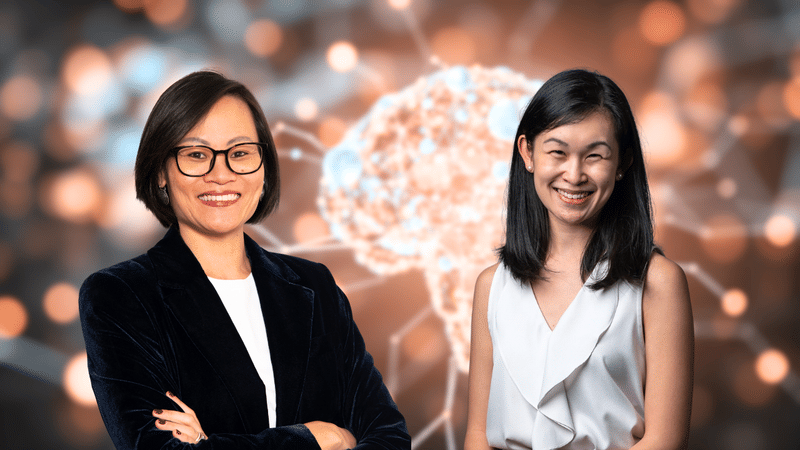
As Deel’s Regional Head of Expansion – North and South Asia, Karen Ng puts it, "Ask any HR leader what their job involves and they'll struggle to give you a short answer. The role has genuinely never been more complex, or more consequential. The remit has expanded in every direction at once.
HR has gone from compliance and policing the employee handbook, to reshaping how entire organisations work. It now involves managing remote teams spread across time zones, hiring across borders and supporting a workforce that no longer expects to sit in the same building as their manager. The title hasn't changed much. The job absolutely has.
Then AI walked in and rearranged all the furniture. According to IDC research commissioned by Deel, well over half of businesses globally are now using AI primarily in talent management and acquisition. That means less time in spreadsheets and more time using predictive analytics to spot high performers to retain them, machine learning to remove bias from global hiring and smart platforms to give every employee a development path that actually fits them. Mastering these tools is no longer a nice-to-have. It's the job.”
The shift is visible across industries. AI is increasingly helping HR teams automate repetitive work, improve hiring efficiency, personalise learning journeys, strengthen workforce analytics, and make more informed people decisions. But alongside these opportunities comes a new level of responsibility.
And HR professionals are not just navigating AI transformation alone, but also changing employee expectations, anxieties surrounding job disruption, economic uncertainty, and rising demands for flexibility and purpose-driven careers.
Samantha Tan, HR Business Partner, Jobstreet by SEEK explains, "In recent years, HR leaders across Southeast Asia have had to navigate a difficult balancing act, helping organisations to transform and move faster while responding to a workforce that has become more vocal, discerning and values-driven than ever before.
At the same time, employees have bigger expectations of work to offer more than just pay and stability, but also growth, purpose, flexibility and a sense of recognition. Jobstreet’s recent Workplace Happiness Index found that purpose is now the leading driver of workplace happiness. Increasingly, people want to understand how their work contributes to something bigger, and feel valued within the business.
Against this backdrop, HR leaders play a critical role in being strategic partners for commercial leaders.
Beyond traditional policies and processes, their role has evolved to include supporting leaders in making critical decisions regarding organisational size and structure amidst the rise of AI and macro-economic volatility – while balancing the need to reshape organisational culture in a post-pandemic environment where expectations around work and flexibility have shifted.
This International HR Day, Jobstreet by SEEK celebrates HR professionals as key partners in building more resilient workplaces, and remains committed to supporting them with the insights and tools to navigate evolving workforce expectations.”
So how has HR transformed over the years? While the COVID-19 pandemic pushed HR leaders to the forefront of employee support, wellbeing, and workplace resilience, the rise of AI has further elevated HR into a strategic guide and organisational torchbearer for transformation.
Today, HR sits at the centre of nearly every conversation shaping the modern workplace, from talent and culture to productivity, policies, processes, wellbeing, and workforce transformation.
As AI continues reshaping how work gets done, HR’s evolution is becoming increasingly clear. The function is no longer just managing people processes. It is helping organisations build future-ready cultures, navigate uncertainities, expectations, and create workplaces where both businesses and employees can thrive.
Perhaps that is the biggest change of all. Even as the International Labour Organisation continues warning HR leaders about the disruptions AI may bring to the workforce, one thing is becoming increasingly evident: AI did not reduce the importance of HR, but made HR more central to business success than ever before.
Author
Loading...
Loading...