








Compensation Benefits
Samsung sees nearly 20% pay jump amid AI boom, but hiring slows



 ||
||

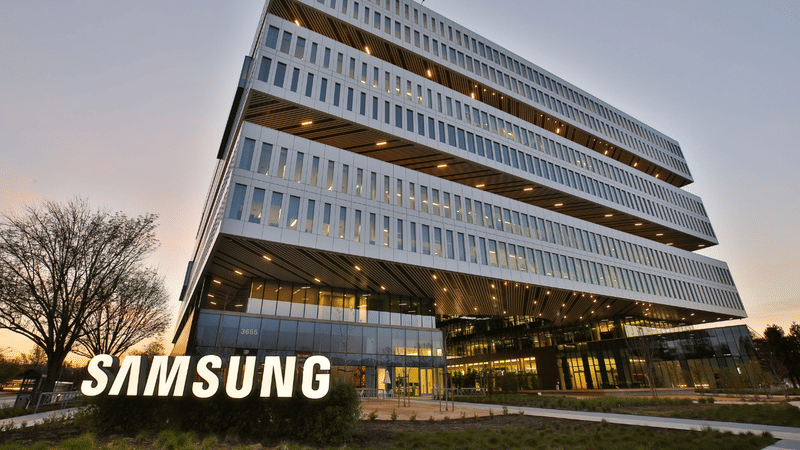
The electronics giant reported a sharp rise in average employee pay in 2025 even as headcount edged down, highlighting AI-driven talent premiums.
Leading smartphone manufacturer - Samsung Electronics recorded a sharp rise in employee compensation in 2025, even as its workforce growth slowed, underscoring how the artificial intelligence boom is reshaping labour dynamics across the tech sector.
The average annual salary at the company climbed to KRW155 million in 2025, up nearly 20% from KRW130 million a year earlier, according to a report cited by The Korea Bizwire.
The figures are based on an analysis by the Korea CXO Institute, which examined corporate labour costs alongside national pension enrolment data.
Workforce edges down
Despite the pay surge, Samsung’s total headcount dipped slightly. The company employed 124,996 workers in 2025, down 0.5% year over year, the analysis found.
The institute noted that the trend mirrors a broader global pattern in which major technology firms are tightening hiring even as earnings remain strong.
“Last year, some global tech companies reduced employment despite strong earnings amid the AI boom,” the Korea CXO Institute said. “Major conglomerates, including Samsung Electronics, may see slower employment growth regardless of improvements in their earnings.”
AI talent commands premiums
The data highlights the growing impact of AI adoption on workforce strategies, with organisations becoming more selective in hiring while paying premiums for specialised skills.
Separate data from the Bank of Korea showed that AI professionals in the country earned about 6% more on average than non-AI workers, according to The Korea Times.
However, the wage gap remains modest compared with other major economies. A 2024 report by PwC found that wage premiums for job postings requiring AI skills reached:
25% in the United States
14% in the United Kingdom
11% in Canada
Oh Sam-il, head of the Bank of Korea’s employment research team, attributed the relatively low premium to structural factors.
“The low wage premium is due partly to Korea's rigid wage structure and underdeveloped performance-based pay system,” he said, adding that these factors could hinder the country in the global competition for AI talent.
The mixed signals from Samsung i.e. rising pay but slower hiring reflect a broader shift underway in the global tech labour market: fewer roles overall, but higher rewards for scarce AI capabilities.
Author
Loading...
Loading...