








Diversity Equity Inclusion
Indonesia steps up disability employment efforts through training, hiring partnerships and workplace inclusion






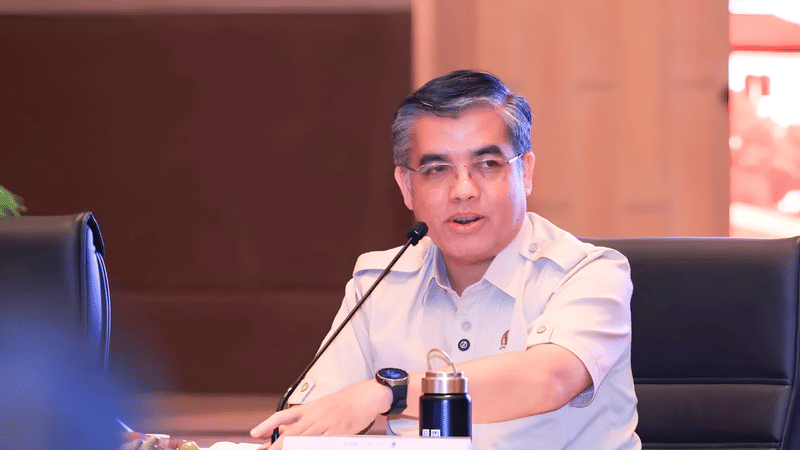
Manpower Ministry expands programmes to improve job access for people with disabilities while reinforcing mandatory hiring quotas.
Indonesia is intensifying efforts to build a more inclusive labour market by expanding training programmes, strengthening partnerships with employers and improving access to jobs for people with disabilities.
Manpower Minister Yassierli said the government is prioritising skills development and workforce preparation to help people with disabilities acquire competencies that align with labour market needs.
"The most pressing issue we are addressing today is training and capacity-building for people with disabilities so they can develop skills that match industry demands," Yassierli said.
The Ministry of Manpower is mobilising its vocational training centres and job opportunity expansion centres to provide more targeted support for people who require specialised employment assistance.
One of the ministry's latest initiatives is being implemented through a job opportunity expansion centre in Kendari, Southeast Sulawesi, where 40 participants with disabilities are undergoing orientation and skills training before being placed in jobs within the light manufacturing sector.
The government is also working to strengthen collaboration with the private sector. The ministry plans to organise a job-matching event in Makassar, South Sulawesi, that will bring together around 50 companies that have committed to employing people with disabilities.
According to Yassierli, these initiatives are intended to transform employment centres into more than just training facilities by creating platforms that encourage cooperation between employers, communities and government agencies.
The minister emphasised that disability inclusion should be viewed as a fundamental component of workforce development rather than a compliance exercise.
"People with disabilities are not objects of pity. They are active participants in development with equal rights to work, innovate and contribute to the nation according to their abilities," he said.
Yassierli noted that Indonesia's economic progress should be measured not only by growth indicators but also by its ability to provide equal opportunities for all citizens.
However, he acknowledged that significant barriers continue to limit workforce participation among people with disabilities.
Citing data presented by the International Labour Organization at the 2025 Global Disability Summit, he said the global labour force participation rate among people with disabilities remains approximately 30% lower than that of people without disabilities.
Young people with disabilities also face nearly twice the risk of being excluded from education, employment or training.
To address these challenges, the ministry has identified three key priorities: competency-based recruitment, workplace accommodations and accessible employment services.
Yassierli also highlighted the growing role of artificial intelligence, stressing that emerging technologies should be used to expand employment opportunities rather than create new barriers for workers with disabilities.
Indonesia continues to strengthen the legal framework supporting disability inclusion in the workplace through Law No. 8 of 2016.
The legislation requires government institutions, state-owned enterprises and regional government-owned companies to allocate at least 2% of positions to people with disabilities, while private companies must reserve at least 1% of jobs.
The government has further reinforced these requirements through Minister of Manpower Regulation No. 8 of 2026, which recognises companies that demonstrate a strong commitment to respecting, protecting and promoting the rights of workers with disabilities.
Yassierli recently highlighted the efforts of textile and garment manufacturer PT Pan Brothers during a visit to the company's operations in Boyolali, Central Java, describing the firm's disability employment practices as an example of how businesses can create more supportive and inclusive workplaces.
The minister said the success of Indonesia's disability employment policies will depend on stronger cooperation between the government and employers, as well as a broader commitment to building workplace cultures that prioritise skills, performance and equal opportunities.
"Inclusivity is not just about complying with regulations. More importantly, it is about creating a workplace culture that gives everyone the opportunity to grow and succeed based on their competencies and performance," he said.
Topics
Author

Loading...